USA 250: When the American Revolution Reached Shetland
The USA is holding a 250th anniversary celebration of the Second Continental Congress in Philadelphia approving their Declaration of Independence on July 4 1776. The American Revolutionary War didn’t end then, that lasted from 1775 until 1783, after escalating from disputes in the 1760s. The British military were busy men in this era, with the Anglo-French War (1778-1783), the Anglo-Spanish War (1779-1783), and the Fourth Anglo-Dutch War (1780-1784). Additionally, the East India Company were in almost continual conflict in the Indian sub-continent throughout the 1770s and 1780s.
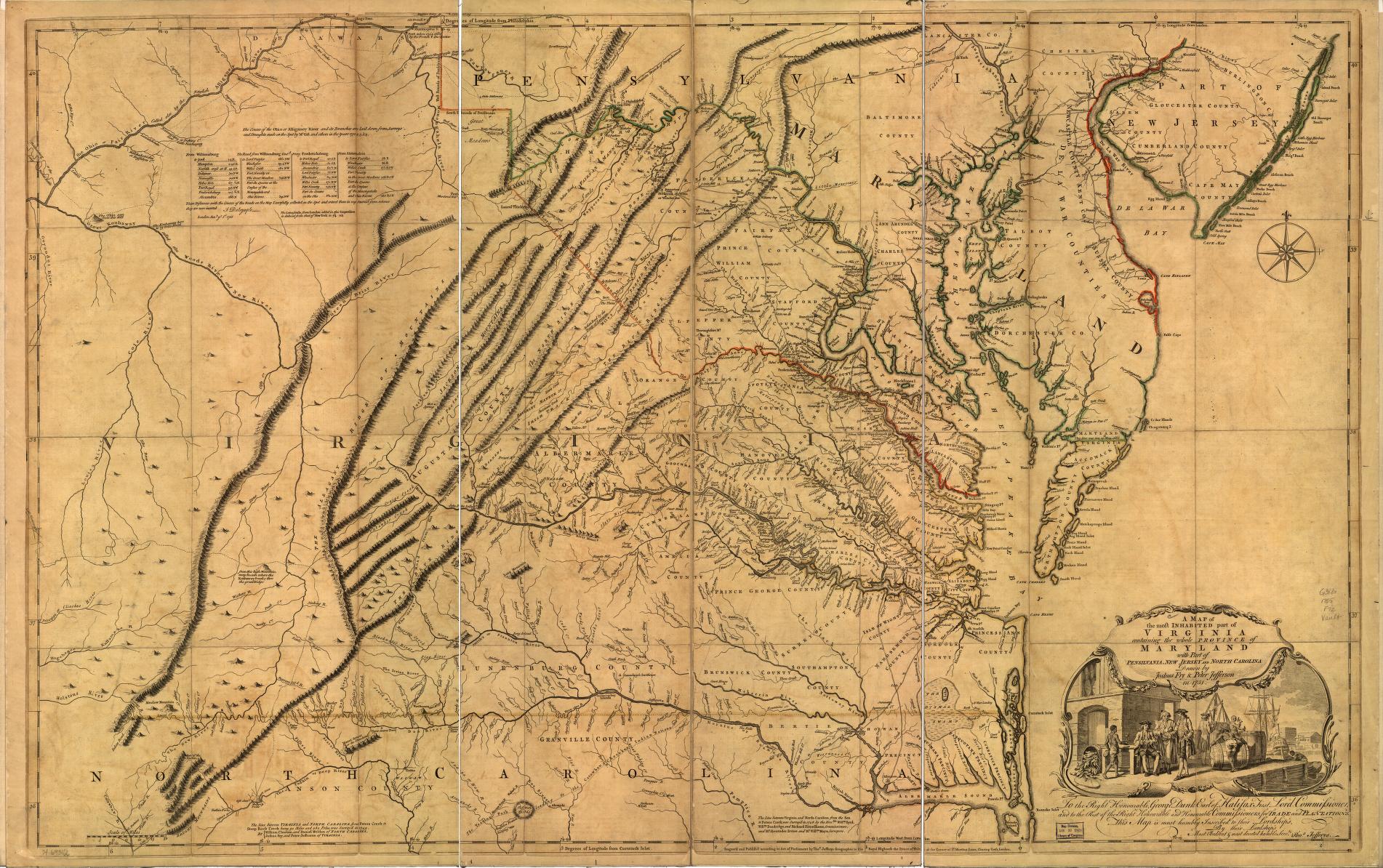
Above: A map of the most inhabited part of Virginia containing the whole province of Maryland with part of Pensilvania, New Jersey and North Carolina (Copyright Library of Congress, Geography and Map Division)
There wasn’t much Shetland emigration to North America in the 18th century, although some people had gone to the Carolinas. The archive material about the American conflict includes some papers about privateering, pressgang activity, and also two informative books. The first is The Diary of of the Reverend John Mill, published by the Scottish History Society in 1889. We also hold the original. The second book I’ll come to shortly.
John Mill (1712-1805), the Church of Scotland minister for Dunrossness, Sandwick and Cunningsburgh, was a man of strong opinions. He was inclined to believe the misfortune could hold elements of divine retribution, and lets say, if he ever had anything resembling a Christmas card list, the Pope wouldn't have been on it. He did engage with the world outside Shetland, reading what newspapers turned up, and confiding his thoughts about events to paper. In 1775 – “A dangerous rebellion broke out in America by our Colinists etc.”
In May 1776 he writes, possibly, about the Battle of Bunker Hill “1400 slain ‘tis said on both sides,” and a little later “Luxury and wickedness the cause of all.” On 26 December, after receiving a letter from the Sheriff with the King’s Proclamation for “a day of fasting and prayer on account of the rebellion of our colonists in North America,” he preached “concerning the fast publickly appointed.”
The most tangible effect the war had on Shetland was a concern to Mill in 1777, when a naval tender came to Shetland seeking a hundred men. People “betook themselves to their hills and skulking places.” The Revd. Mill was all for the impress, expounding on the need for the “suppression of the Rebells in America, who had risen up against their lawful superiors without any grounds.” Of the people, “O! if they were as eager in fleeing from the wrath of a sin avenging God.”
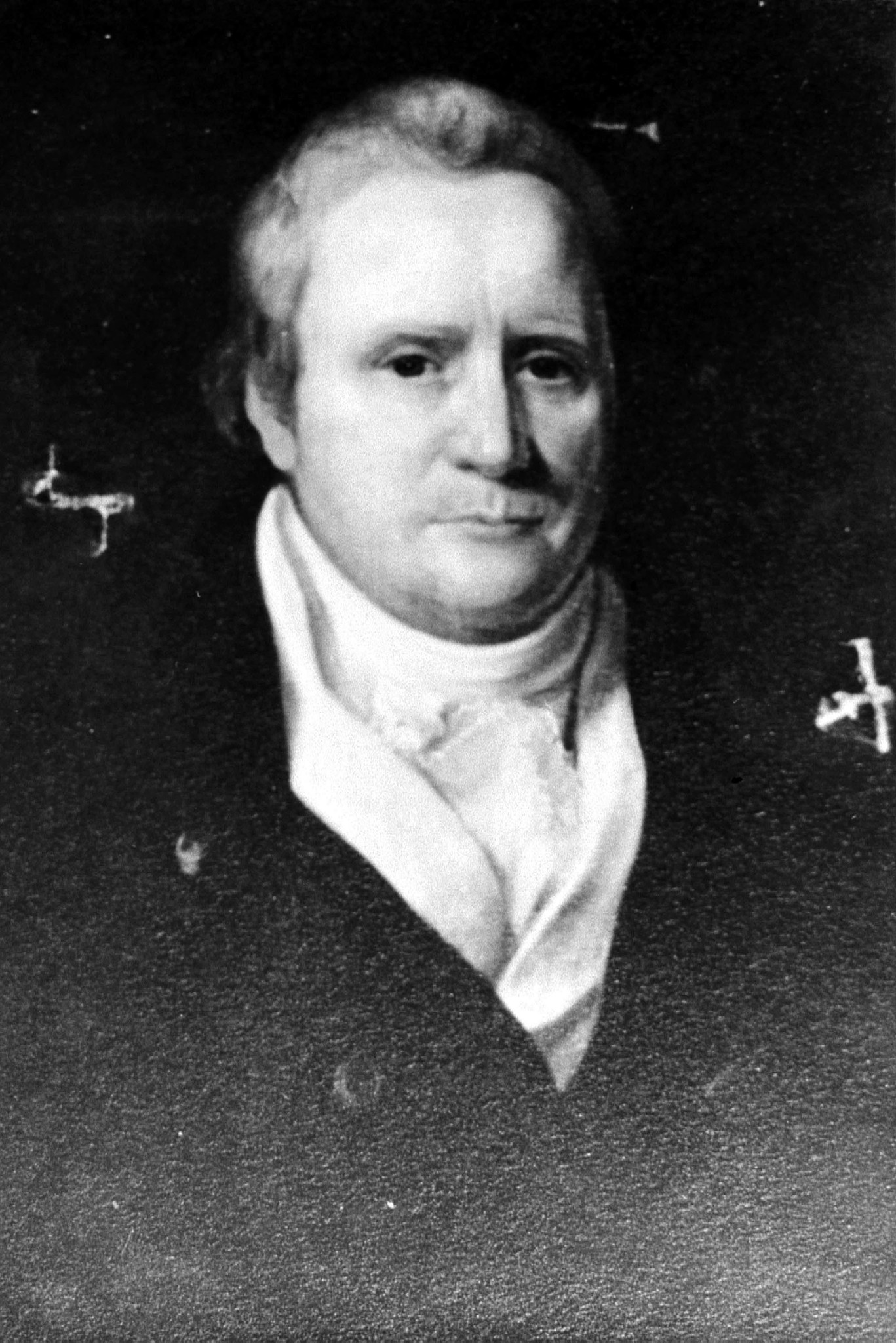
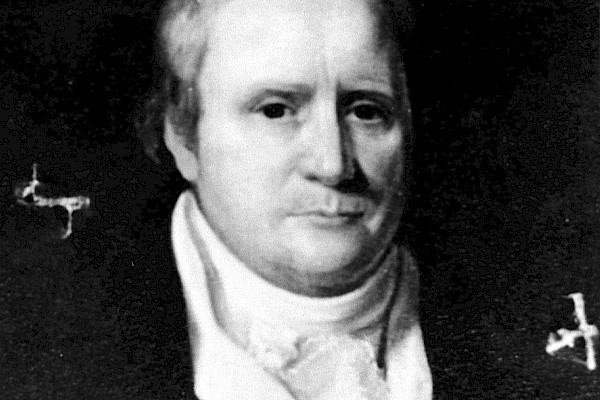
Above: Painting of Gideon Gifford, Busta (P00461)
Gideon Gifford of Busta functioned in gathering the men in. A document in the Bruce of Symbister papers shows £10 10 shillings paid out as “bounty money and cloath given them to induce them to enter volunteers.” That was for seven men, June 1777. In September 1777 £8 5 shillings is paid to five, and in 1779 £5 5 shillings for five. It doesn’t look like there was a rush.
John Paul Jones, maritime raider, and a Scot from Kirkcudbrightshire, is either an American hero, or as the Revd. Mill said a “wicked desperado.” He picked up some men from Mousa on his vessel the Bonhomme Richard. That was on October 8, 1779. They convinced him that there were a couple of warships in Lerwick, and he headed south, Mousa men under guard in the hold. They were there during the famous battle where John Paul Jones vessel sank and he took over the other, the Serapis. The Mousa men were able to leave the ship in Holland, and got home, thought dead, for Christmas Eve. Blyde ta be hame.
Mill has more to say about the war, battles, casualties, people of note, and rumours. Then the world turned upside (allegedly the tune played on the British surrender). In an entry in 1782. “General Cornwallis, with 8000 men, taken prisoner by the French and Americans …” In the next year “... independency was yielded to the States of 13 provinces in America and trade settled with them.”
Now to the other Shetlander, a Lerwegian like the minister himself. John Harrower (1733-1777) was down on his luck and in December 1773 left his wife and bairns in Lerwick, and resolved to try his luck south, in London or Holland. It was poor circumstances in both, and he kept trying in London. Almost penniless he went on board the Planter for Virginia as an indentured servant, in March 1774. He fell on his feet in Fredericksburgh, he became tutor on Colonel Daingerfield’s Belvedera plantation, well shod, clothed, and fed, with a boy slave servant.
He was certainly there at the right time, and the wrong time. Seeing opportunity, he intended to bring over his wife and children, but the war impeded communication and remittance, and he died before he could reunite his family. He wrote letters home, kept copies, and a journal. They were published in 1963 – The Journal of John Harrower. On June 14 1774 he notes in a letter – “As for Tea there is none drunk by any in this Government since 1st June last, nor will they buy a 2d. worth of any kind of East India goods …” One of the grievances of the colonists was about the East India Company's tea in the American market.
A letter of August 28 1775 remarks on casualties among British officers “owing to Americans takeing sight when they fire.” Farther down the page: “Colo. Washington of this Collony being appointed Generalissimo of all the American forces raised & to be raised, made a demand of 500 rifflemen …” The order was oversubscribed, and John Harrower remarks on how well they did in a marksmanship test. Then – “How or when these differences will [end] God only knows.
An entry for May 9 1776 has him meeting prisoners, officers – “I talked with severals of them from Ross shire and the Isle of Skye.” On 17 May,; he notes a fast “by order of Congress” – like the British side, they believed. On July 25, one of the last entries, he is taking lead off a roof. Lead for munitions was short in Virginia.
These views, of course, are from Shetland’s middle classes. The minister, and someone striving to rise, even if he had to cross the Atlantic. Gideon Gifford was upper class in Shetland terms, a magnate. The working people, hands busy with crofts, boats, and makkin – their views haven’t made it down to us directly. The story of the Mousa men is an oral record that got written down by Cunningsburgh man Robert Cogle over a hundred years later. It isn’t difficult to imagine what the average Shetland household might have said round the peat fire – “Da Ness minister is tryan doon upo da Yankees,” and an injunction to all young men, “Boy, bide du clear o da pressgang.”