Terms of Endearment
February, so far dim and wet, but also the Valentine month, perhaps a chance to seek warmth outwith the weather. Cards and flowers, notes, affectionate, hopeful messages. Endearments, lets look at what Shetland words have offered in the past, and wander through databases, and the work of Jakob Jakobsen, Thomas Edmondston, James Stout Angus and others. After all, the right words at the right time are important. And wrong ones maybe more so.
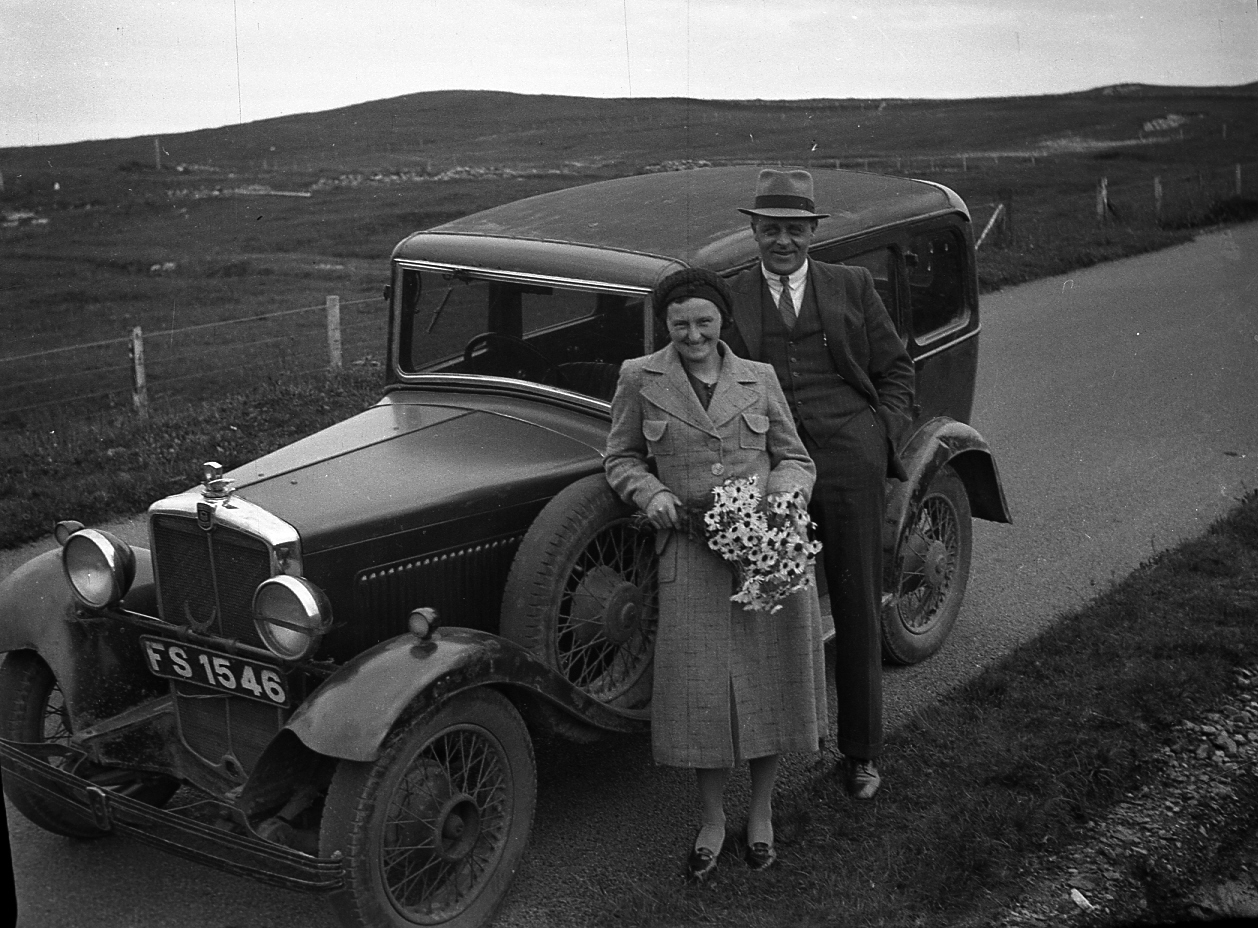
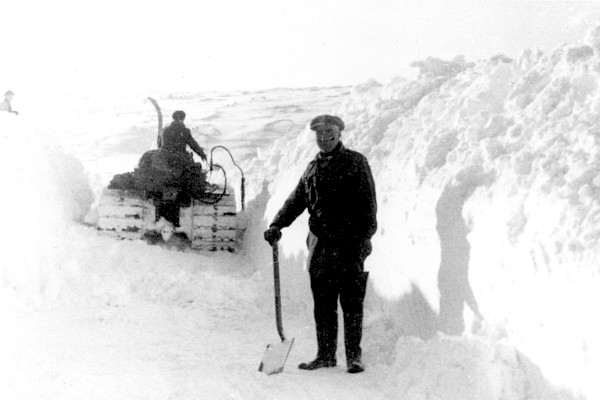
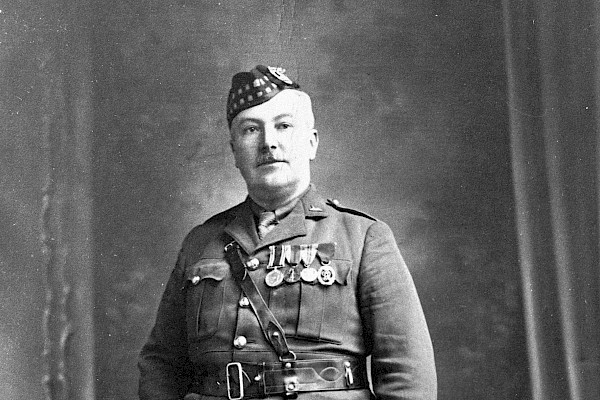
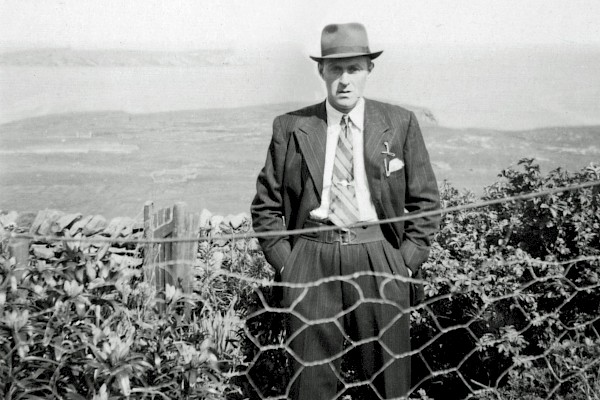
Above: Walter and Maggie Brown Nee Mouat, Sandwick. Photographer C. Williamson. Ref: CW00645
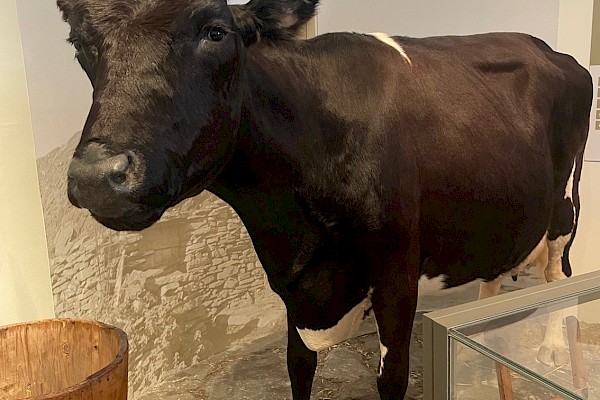
The first thing, endearments are not just for desired individuals. Take sjolin, for instance, used to a milking cow. Children were offered a number – one is sukkrabord, or sweet child. Possibly a word that could be used for a treasured individual of any age, which leads to words related to sweetness. There’s sukker, simply sugar, rare in the Old Norse past, but honey was delicacy and a sweetner. We have hinnie, although honey, imported from the USA is much more liable to be heard now. Sugar, honey, honey, as the Archies sang to the candy girl. A new form but not a new endearment. Hen, an affectionate term for a female, associated with the West of Scotland, is heard here. Sometimes said to be derived from honey … or a domestic fowl. It isn’t always accepted in the spirit offered.
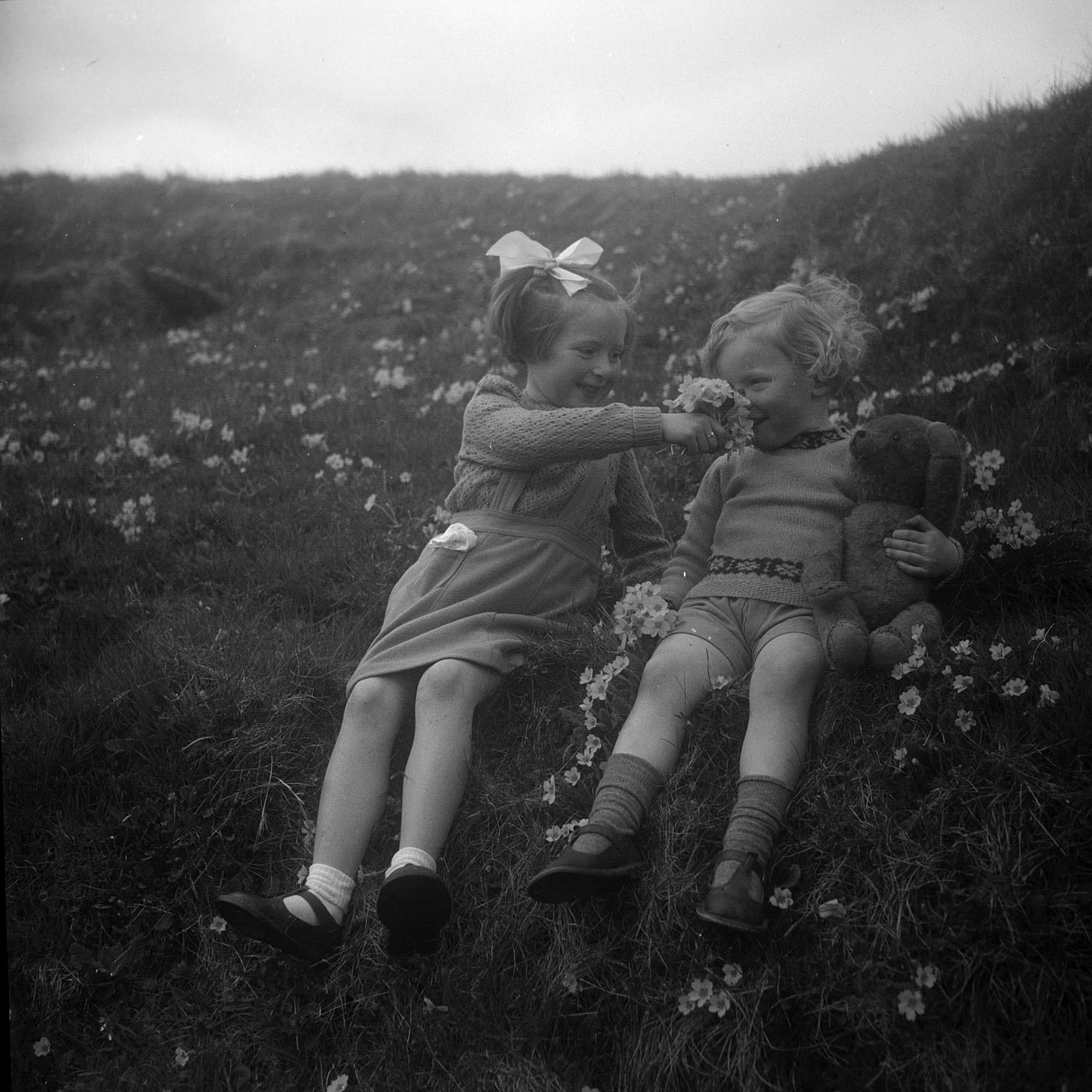
Above: Rosemary Sutherland and George Kay (Jnr), 1940s. Photography by T. Kay. Ref: K00299
Dokka/Dokki – again said to be an endearment for a child but for a young girl gives a sense of good looking. No doubt welcome, but in modern Shetland perhaps rather close in sound to the famously unwanted plant, the docken. Hjarta – heart, is safer ground. Hiarta, haest dee hame said the poet Billy Tait. For dear, darling, and many of the heartfelt feelings that come with the word heart.
Jakob Jakobsen’s dictionary has Enk (Ink) Jenk (Jink) for a sweetheart, or a person who is engaged. Thomas Edmondston noted it as well, with another meaning – to set aside. That makes sense, although Shetlanders might say that someone was laid by for someone else. Jakobsen noted a transfer of something of slight importance. That might not go down well in a misconstrued context. He also had a sense of a nominal transfer, using the example of child given an animal which it doesn’t really own.
What about love? Well, a search for love in a database comes up with many words for slovenly rather than anything for pair-bonding. But Jakobsen has Elsk – from Elska in Old Norse -- love. Ja, vi elsker dette landet says the first line of the Norwegian National Anthem. Not in use now, unless someone wants to revive it. There’s also, from Thomas Edmondston, Helse – to have a liking for, or accept as a lover.
A common endearment in Shetland now is jewel – which, unless someone knows better, doesn’t stretch back into the era of Shetland word-gathering of Jakobsen, Edmonston, and others. It sounds like repurposed English word, and North Mainland rather than farther south, but spreading. And funny in some circumstances, if you reply Have you ever seen a jewel?
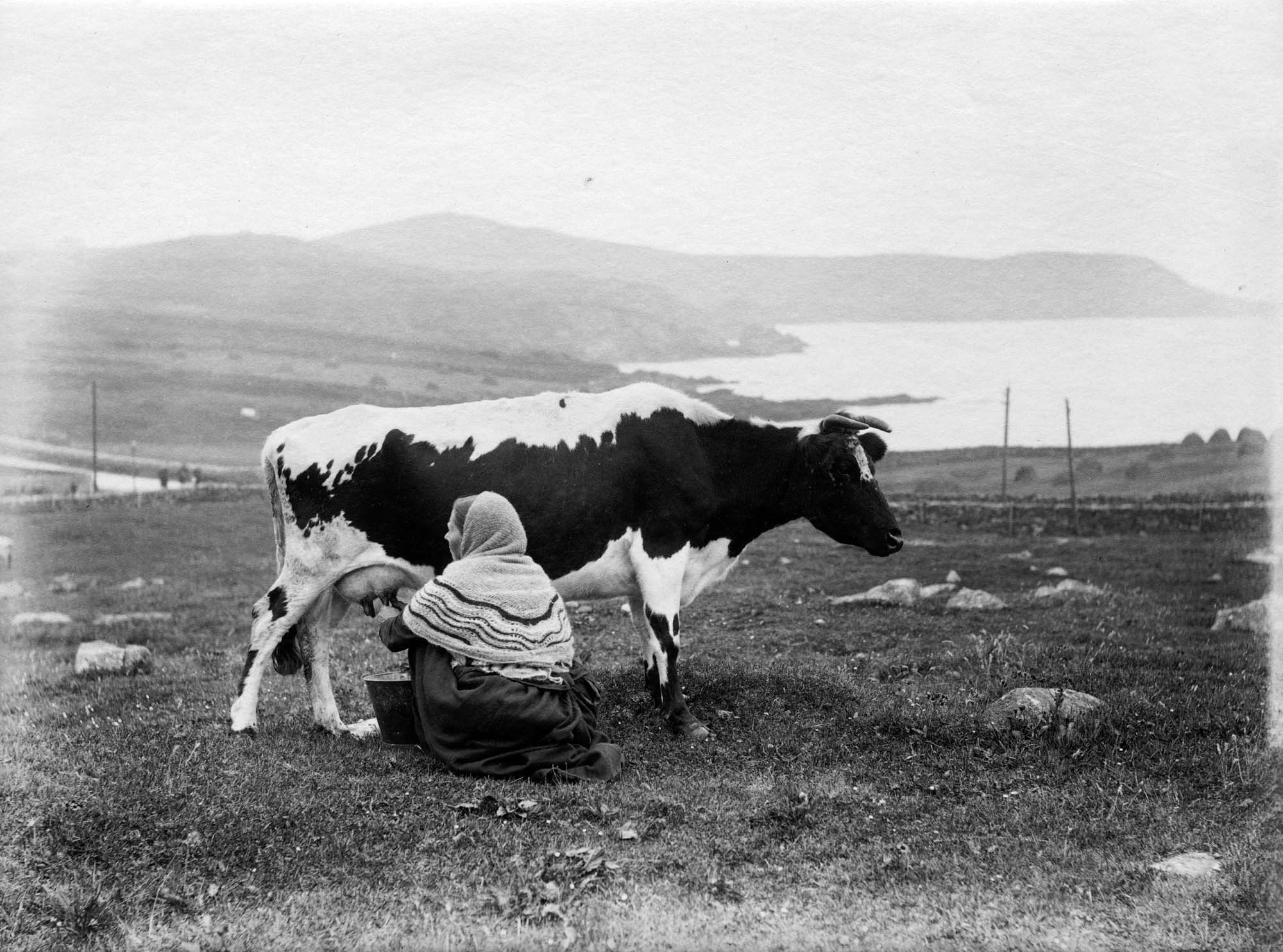
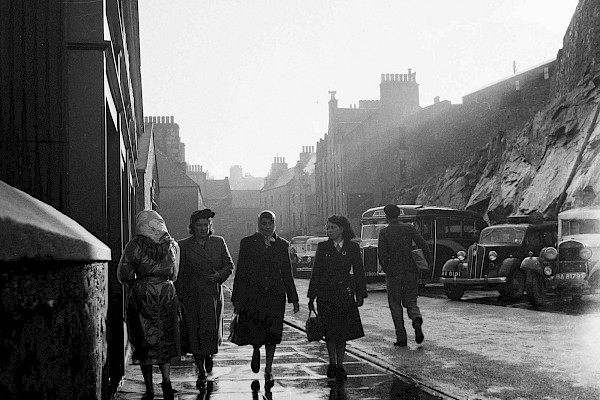
Above: Picture of an elderly woman milking a cow on the 'toun mals'. She is wearing a hap. Beyond herself and the cow is the junction of Burgh Road and Scalloway Road, with the Knab lying behind again and the Ward of Bressay in the far distance. Photographer C Reid (Ref: PR00033)
What do these words tell us? There aren’t that many, possibly reflecting a life of grinding labour. It was important, very important, to maintain the morale and health of milking cow, and there were many small children in the households and toonships. Then language and literacy changed a lot, and a lot of the words used once would bring a blank stare, or a suspicious one. If you’re recommended a word, it’s better to check. If someone suggests you call a your intended a beautiful besom, or a charming sowdian, don’t be surprised if you find diamond ring pinging by your lugs. You’re OK with fainly though.