James Stagg: The Shetland Meteorologist Behind the D-Day Forecast
A Jas. M. Stagg, of the Lerwick Observatory wrote a letter published in the Shetland News on 12 February 1930, asking for people to note the first appearance each year of certain birds and flowers and the budding of trees and shrubs. He could provide a form, he said, and added that the only expense incurred would be a halfpenny stamp for posting to the Phenological Committee of the Royal Meteorological Society in London.
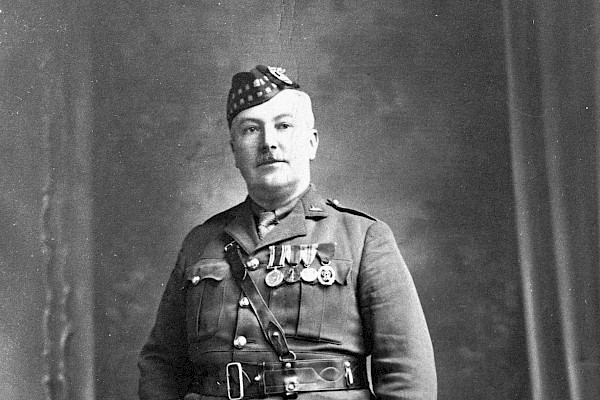
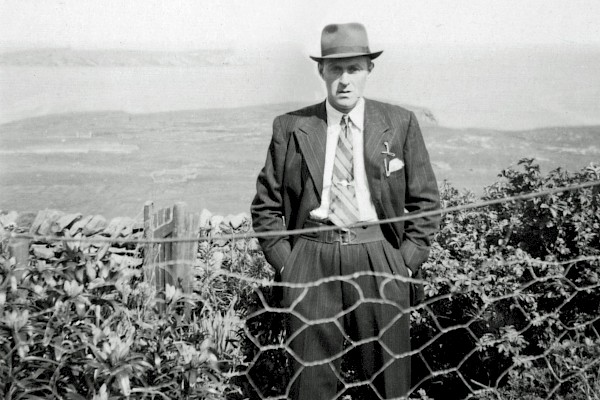
Group Captain J M Stagg, Chief Meteorological Officer with the Royal Air Force, responsible for forecasting weather conditions for D Day.
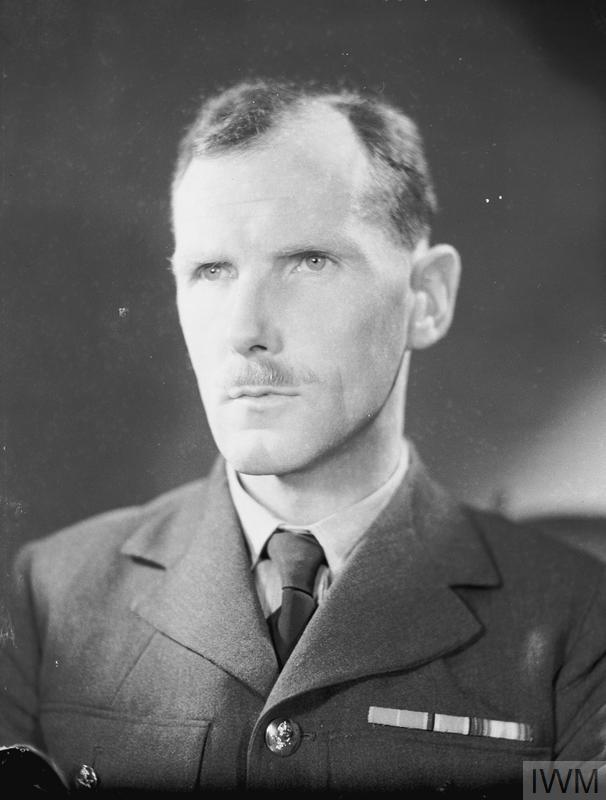
Jas. M. Stagg was James Martin Stagg (1900-1975), born in Musselburgh, a meteorologist with a background in geophysics, and superintendent of the Lerwick Observatory from August 1929 to December 1930. In 1932, the Shetland News was following his career when he led a British Meteorological expedition to Fort Rae at the Great Slave Lake in Canada. There was another follow-up in 1933, telling how he had found that what he believed to be assorted tins of meat in their supplies all turned out to be bully beef, and our cook had to use all his ingenuity. In 1936 the News announced his Edinburgh University doctorate on terrestrial magnetism.
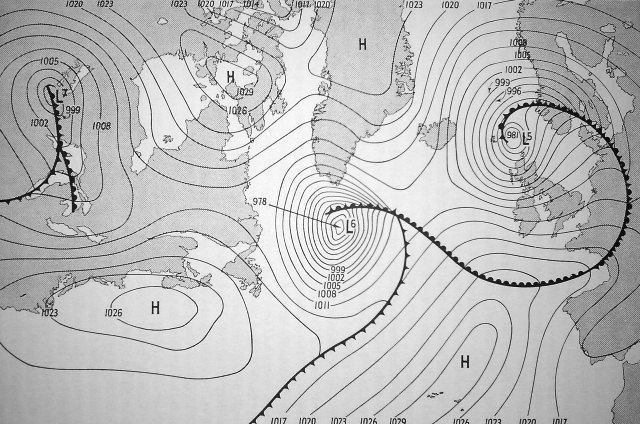
Surface weather analysis map showing weather fronts on 5 June 1944.
He had the makings of a good career by then, and, following an OBE in 1937, he was made superintendent of the Kew Observatory. War came, and in 1943 he was put in charge of three teams of meteorologists working for Eisenhower and SHAEF – a Royal Navy one, a civilian team, and a USAAF contingent. He was made a Group Captain in the RAF Volunteer Reserve to give him authority in the world of uniform and rank.
The story that unfolded after that could be a film. The Mareel cinema, just across from us, had Pressure on in September, and it’s back again now. Pressure is the story of how weather forecasting ensured the D-Day invasion was a success, not a disaster. The SHAEF weather forecasters had differing views of what the weather for the invasion was going to be. Colonel Krick, an American forecaster, favoured working from previous examples of similar weather –a kind of analogue forecasting. Sverre Petterssen, a notable Norwegian meteorologist, not depicted in Pressure, disagreed vigorously with Krick.
Colonel Krick later went on to make a fortune from meteorology, forecast optimistically for D-Day the fifth of June – good weather. Petterssen, working from data gathered in the present, and using the theories of the Bergen School of Meteorology, predicted a storm, with a better period of weather afterwards. Stagg, proved an insightful team leader and briefed Eisenhower that the weather on the fifth would be bad. D-Day was postponed by a day. The landing was made successfully on the sixth. There was a storm on 19-22 June. It caused problems but troops were in Normandy and the invasion carried on.
Like many a film about history, Pressure, isn’t quite the whole story. That would have been a much longer and more expensive effort. It is well worth seeing, though, with Andrew Scott making a good job of looking and sounding like James Stagg. James Stagg came to the right conclusion because of the efforts of a team that passionately debated the possible weather for one of the hinge points of history. At the right time he was able to convince Eisenhower of the correctness of a conclusion, and that reflects immense credit on him. A fundamental part of a bitter struggle came right because of what he was prepared to do.
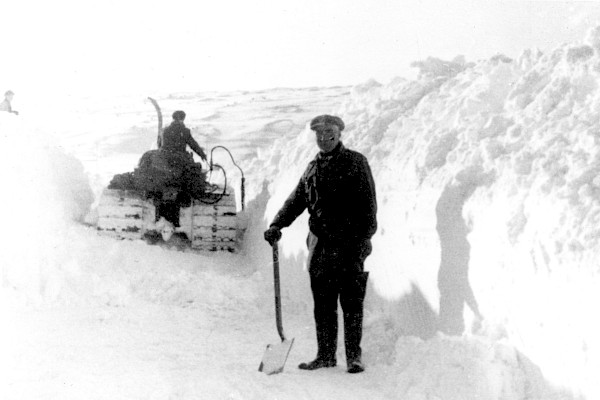
Lerwick Observatory 05033
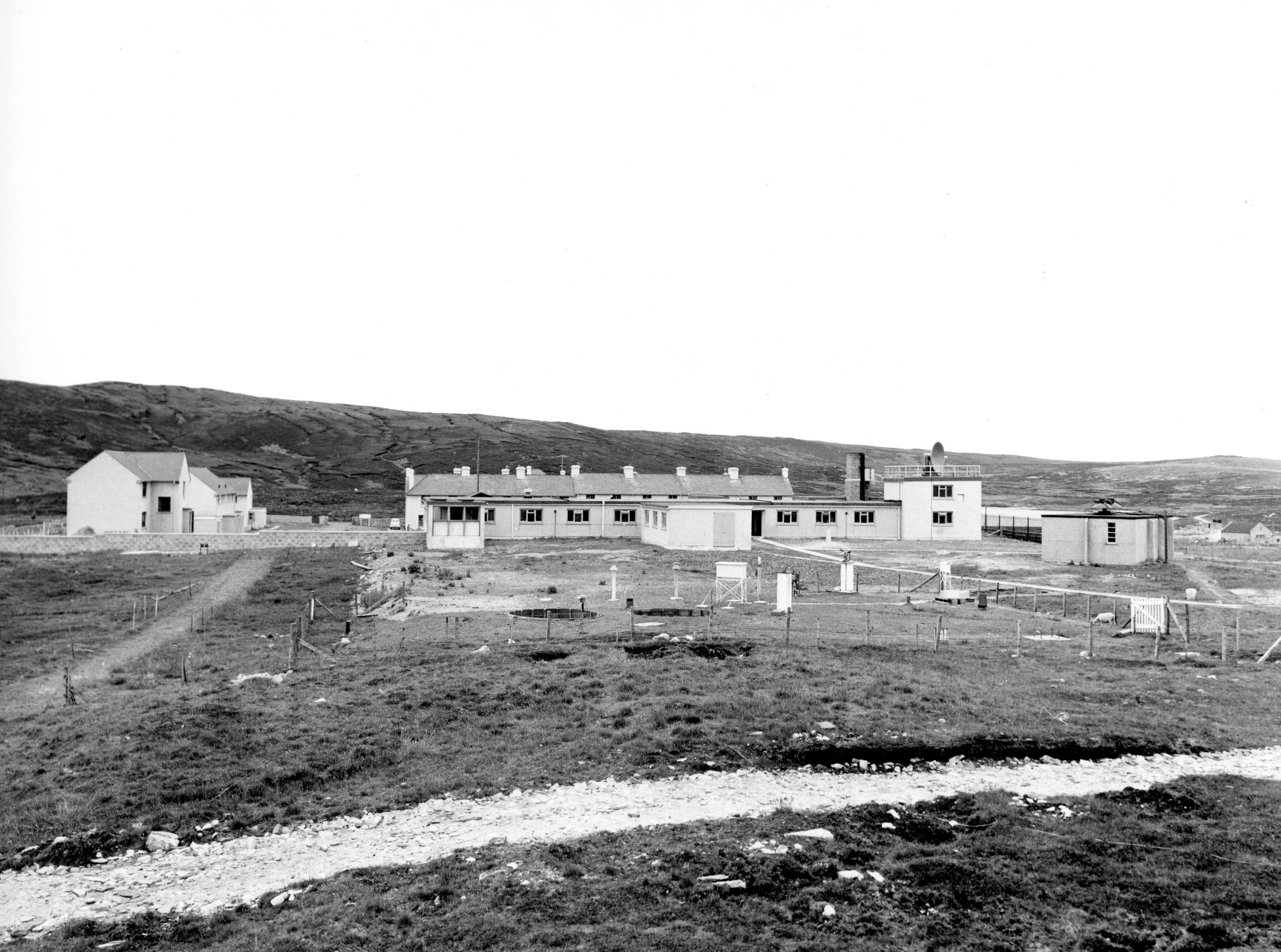
There’s a moment in Pressure where Stagg remarks to Krick about how Krick’s analogue methods are of less value because the weather patterns in Northern Europe were uncertain. A winter spent in the Observatory, on that hill above Sound, couldn’t have left him in much doubt about that.