Shetland's Weather Signs: Birds, Clouds and Borrowing Days
The last three days of March are known as Shetland’s Borrowing Days. According to folklore, the weather on each of these days offers a glimpse of what's to come in May, June and July. If the Borrowing Days are favourable, we can hope for a good spell of summer weather.
This blog post, written by collections assistant, Jordan Clark, explores the rich world of Shetland’s intangible cultural heritage: the sayings, observations and shared knowledge passed down through communities, often rooted in close attention to the natural world.
Do you observe the Borrowing Days? As March draws to a close, and the wind and rain continues, what do you think the weather will be like this summer?
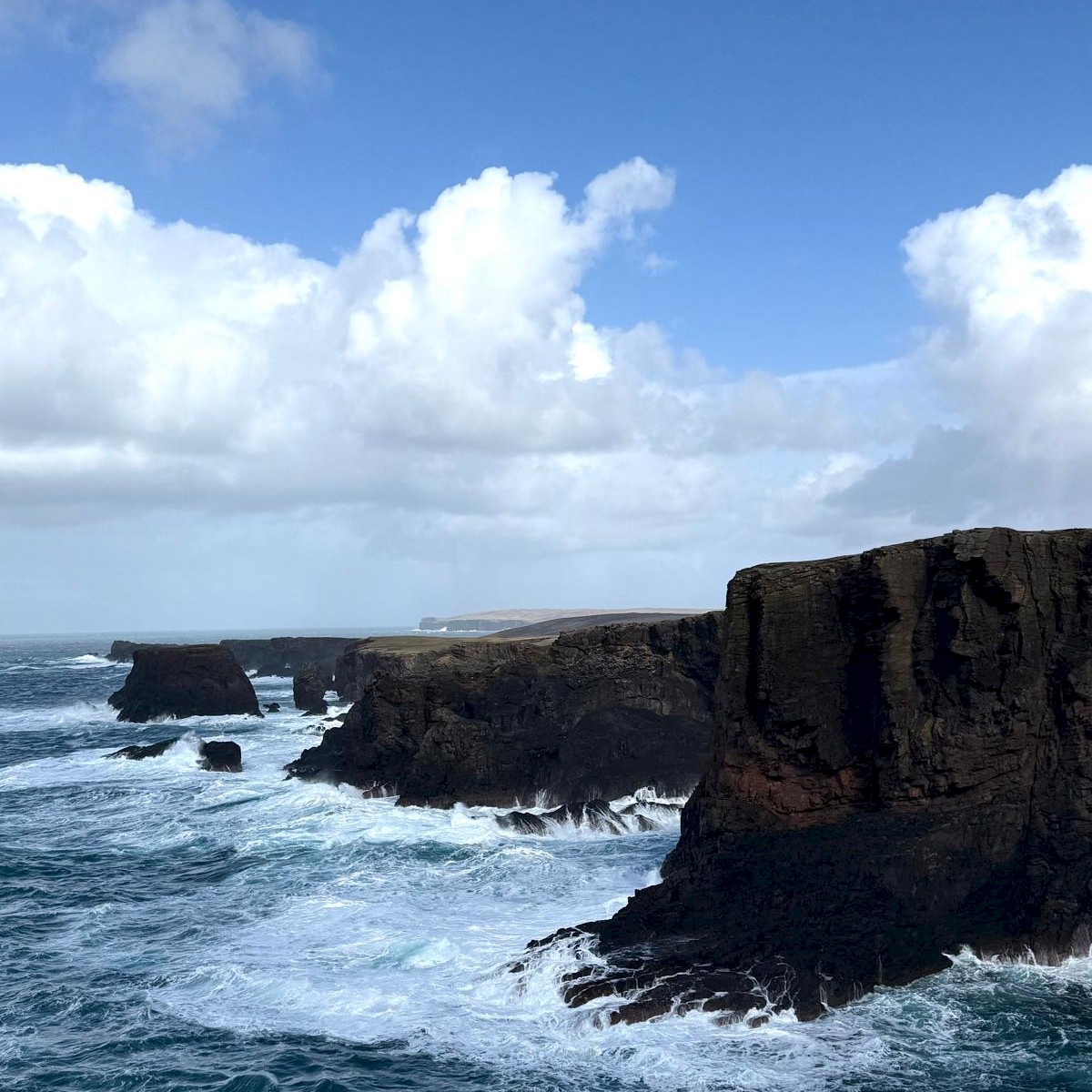
In the modern day if we want to predict the weather, we look down at our phones, and open our app of choice.
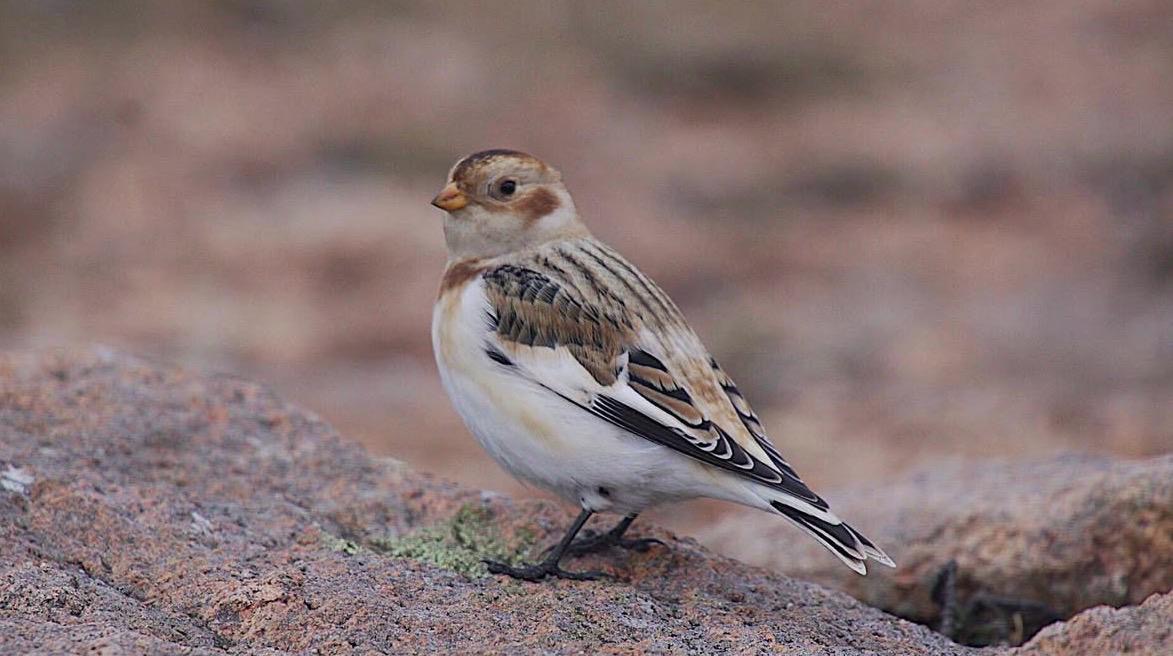
However, in the not so long ago past, our ancestors simply looked for natural indicators, omens, sounds, and signs to predict future weather conditions. From the sna-fool (snow bunting, pictured below) arriving before Winter Sunday, (the last Sunday in October) foretelling a terrible winter to come (which they did and what a winter we’ve had).
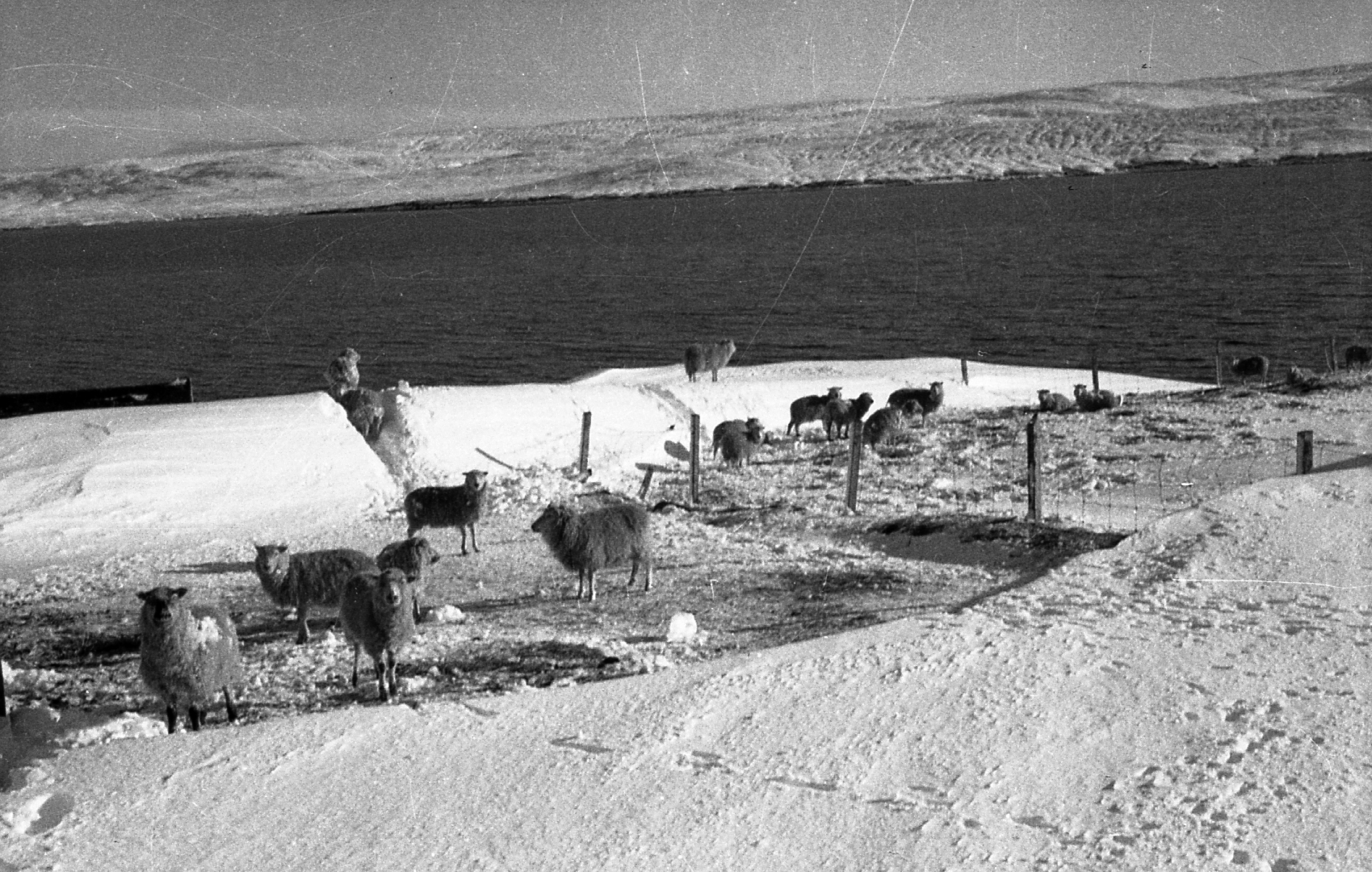
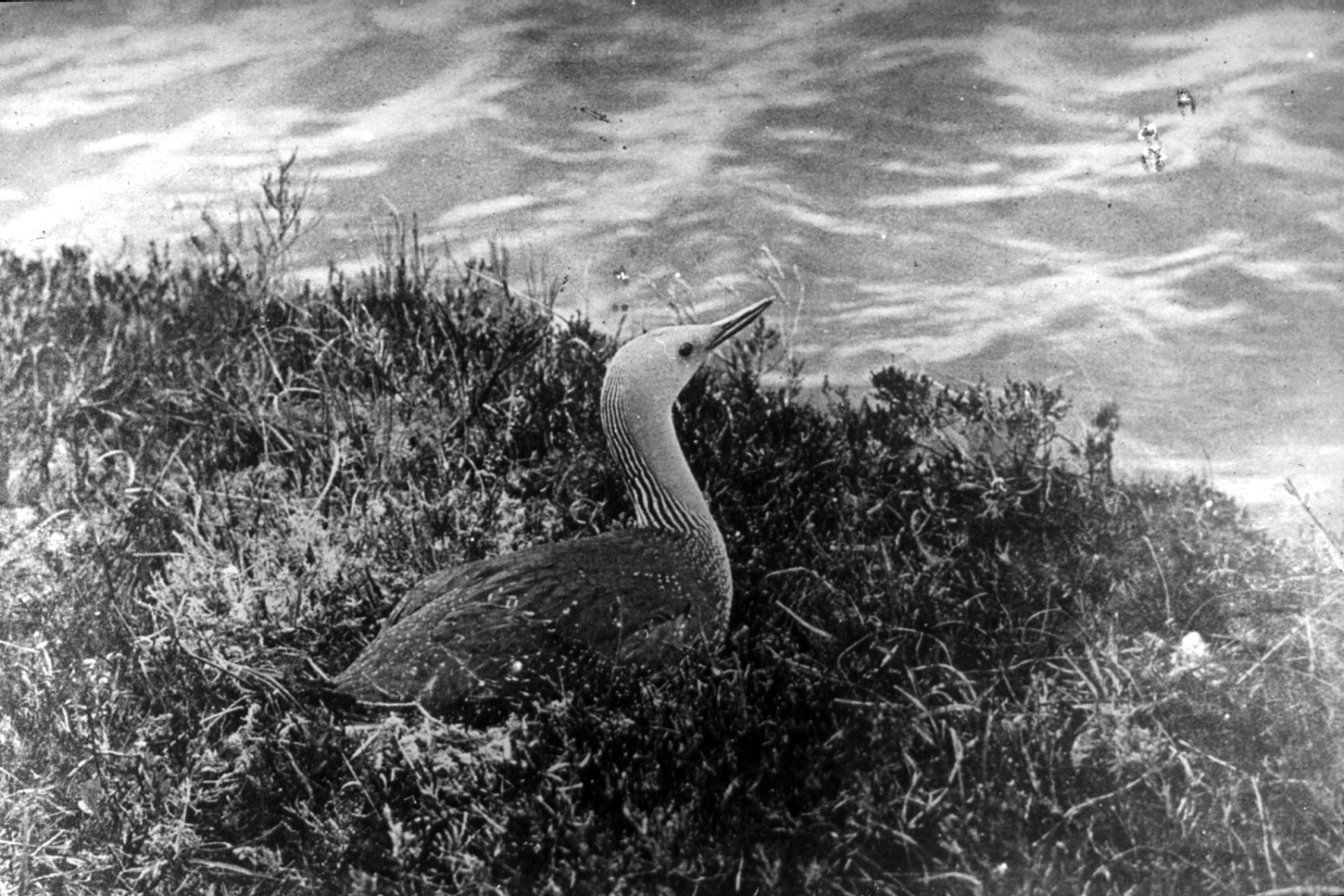
The number of snowfalls to expect in winter could be predicted by the size of the first whooper swan flock to arrive at Spiggie Loch, where they overwinter. The observation of fay-fool (migratory birds blown off route) arriving, which prophesised terrible storms ahead. The rain-gös (red throated diver, pictured below) heard singing “drought drought drought” meant the nice weather would continue, if the song was “mair weet, waur weet” a spell of rain was due. The flight path of this bird was also watched closely, if flying out to sea, rain and wind would follow, if into the hills, the weather would be fine.
The crying of the laverock (skylark) was listened too particularly around Petermass (22nd of February) and Lobers-Mass (24th of February) and noted down in some sayings:
“Da laverock will greet as lang efter Lobers-Mass as she sings afore Candlemas”.
“If da laverock sings afore Petermass she pjorls eftir”.
“If she sings in February, she’ll greet in March”.
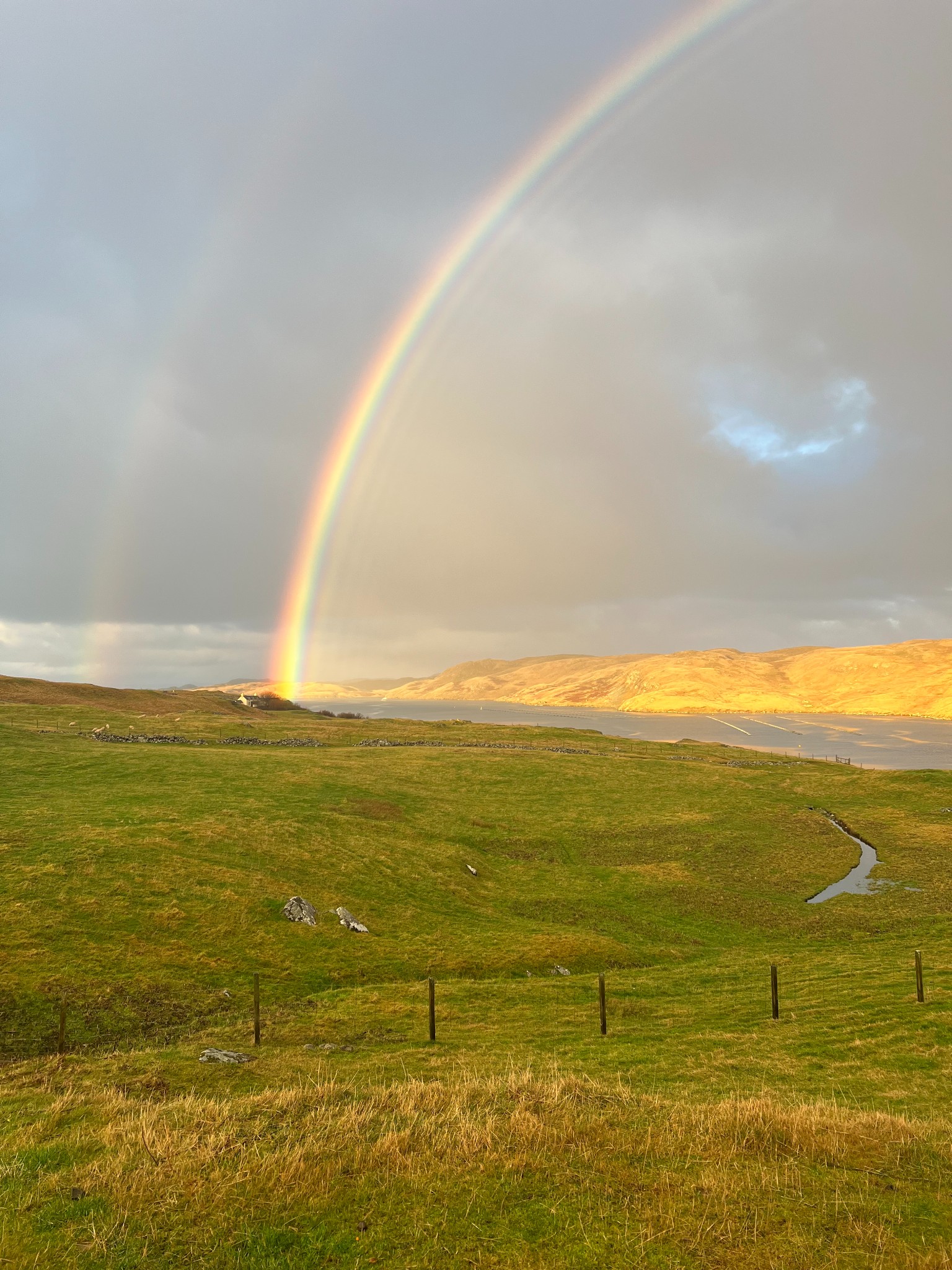
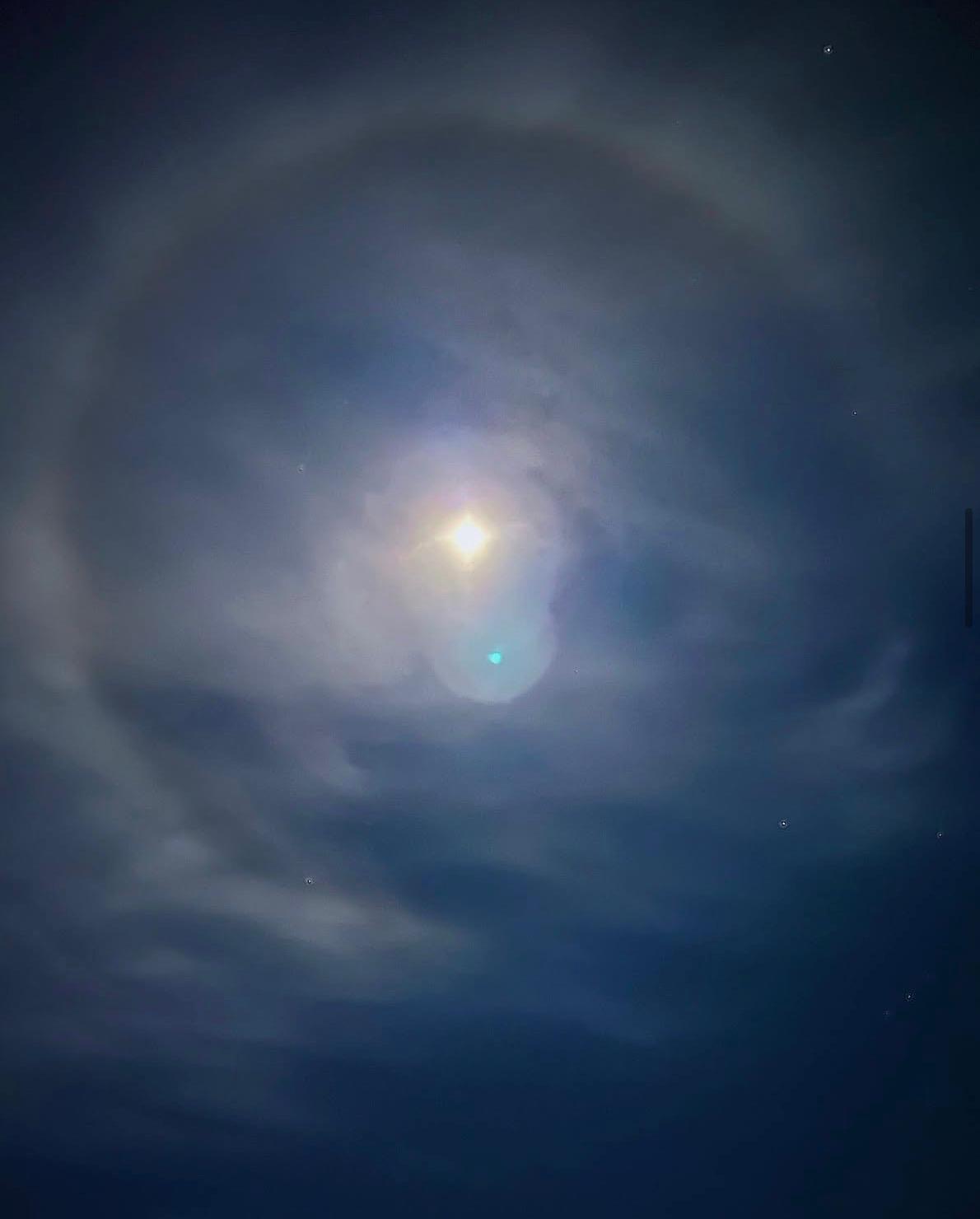
It’s not all about birds, reading what was happening in the sky was good place to look. Snaaie heads were masses of white cloud in winter that meant lots of snow was about to fall, whilst at other times of year they were known as eestick heads and meant rain. Brynics (the end of a rainbow) forebodes squally weather. A halo around the sun or moon is known as a broch and were warnings for storms. A gaa (mock sun) could appear on the left or right hand-side of the sun. To the left, ‘a gaa behind da sun’ was not to be feared, but to the right was a different matter. The ‘gaa afore da sun’ was a bad sign indeed, as was the burr (a vertical pillar on the face of the moon).
“When the sun sets in a broch,
He’ll rise in a slauch;
But if the broch dees awa
E’er he sets I’ da sea,
He’ll rise I’ da moarnin’
Wi’ a clear e’e”.
Essentially, if the halo disappears before sunset, the next day is likely to be sunny again.
The weather shapes us, our language, folklore and how we look at the world. There are many more examples of weather predictions but let’s finish with the most relevant one. The most common observation still practised is the careful watching of the last three days at the end of March, known here in Shetland as the Borrowing Days. The borrowing days are days borrowed from the future. These days are perhaps the most important days of weather watching in our calendar. The weather of each day predicts what the weather will be like in upcoming months. The 29th is said to have been borrowed from May, the 30th borrowed from June, and the 31st from July. So, what do you make of the borrowing days this year? Make a note of the weather and see how accurately it predicts what’s to come!