Fresh perspective on J.D. Rattar’s enduring legacy unveiled in new anniversary exhibition
A fresh perspective on the pioneering work of one of Shetland’s most celebrated photographers is set to be unveiled this week as Shetland Museum and Archives marks the 150th anniversary of John D. Rattar. 'A Time to Keep' offers a new appreciation of Rattar’s work, inviting visitors to look beyond the iconic images that have been part of Shetland homes for generations. Combining dramatic large-scale prints, original photographs and personal objects, the exhibition reveals the artist, explorer and visual historian behind the camera.
While visitors will instantly recognise many of Rattar’s iconic photographs, the exhibition also uncovers lesser-known portraits, wildlife studies and landscapes that demonstrate the breadth of his work.
Born in Fethaland in 1876, Rattar's father died at sea when he was just six weeks old. Raised by his mother in Northmavine before the family later moved to Whalsay and then Lerwick, he began his working life as an apprentice joiner. Photography started as a hobby, but despite being entirely self-taught and working with modest equipment during an era when photography was technically demanding and cumbersome, he became one of Shetland's finest photographers.
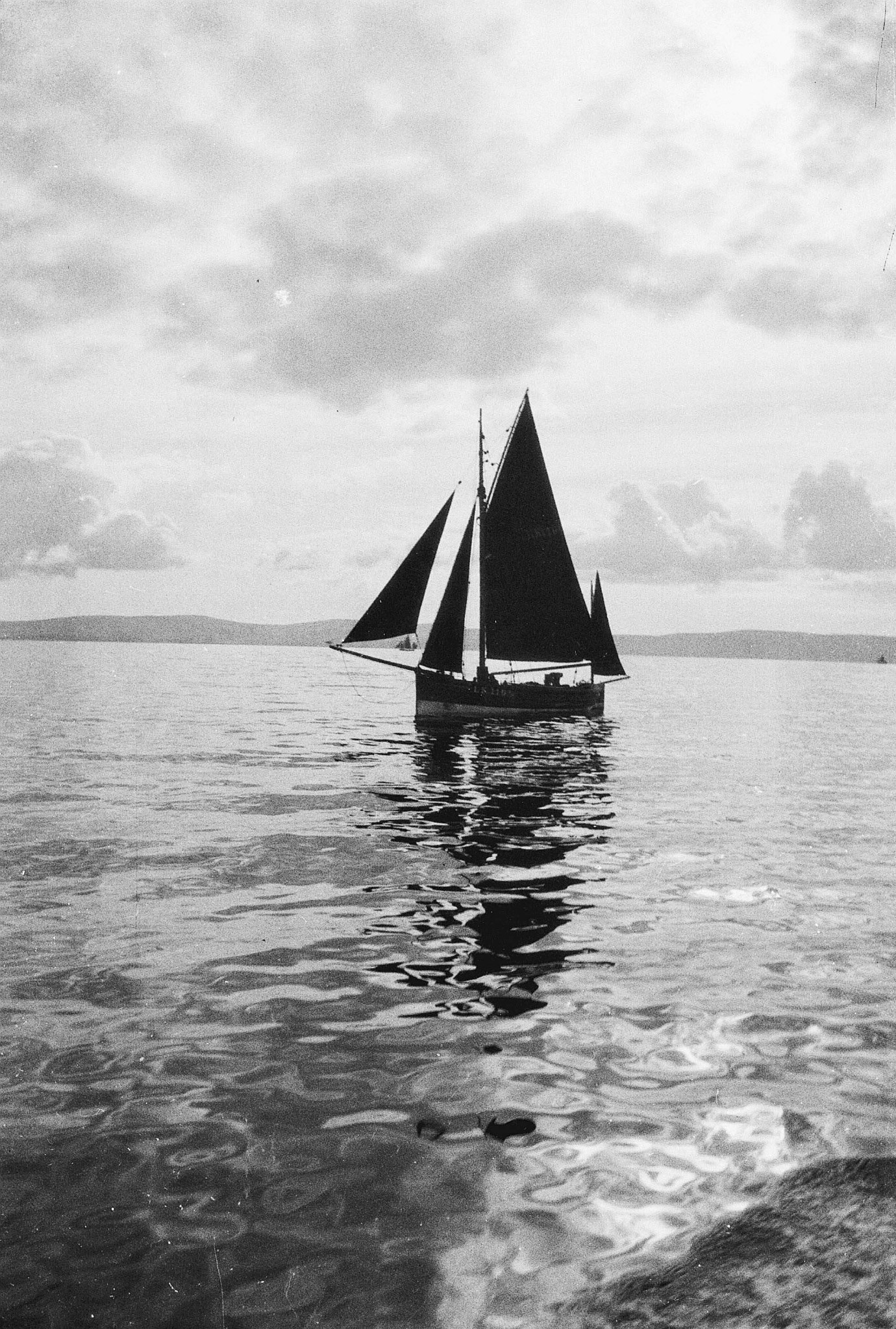
Above: Herring sail drifter GARLAND LK1105
Exhibitions officer, Karen Clubb said Rattar was a pioneer whose work extended far beyond simply recording landscapes: "J.D. Rattar was one of Shetland's most respected photographers, leaving an extraordinary visual record of the islands and their people. Entirely self-taught, he achieved remarkable success despite working with modest equipment and in often challenging conditions. Driven by patience, curiosity and an unwavering commitment to his craft, he travelled the length and breadth of Shetland, his car often carrying a small boat so he could reach remote lochs and capture landscapes from unique viewpoints.
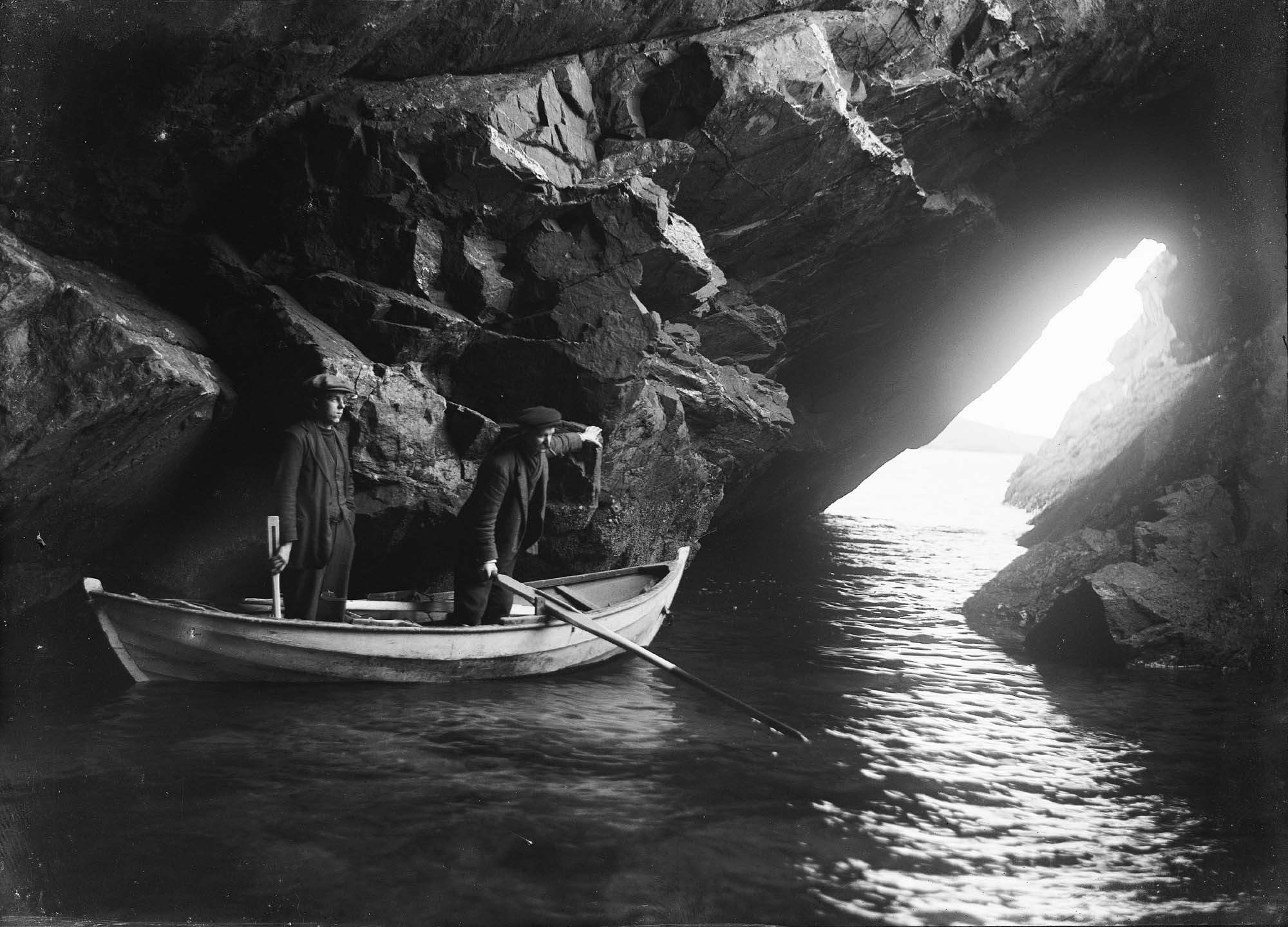
Above: Cave at the Knab (R02409)
“His photographs reveal both technical skill and a deep affection for the islands, preserving moments of everyday life, changing landscapes and traditional ways of living. He was documenting life in Shetland when few others were doing so. His images feel natural and unposed, and in many ways he was ahead of his time."
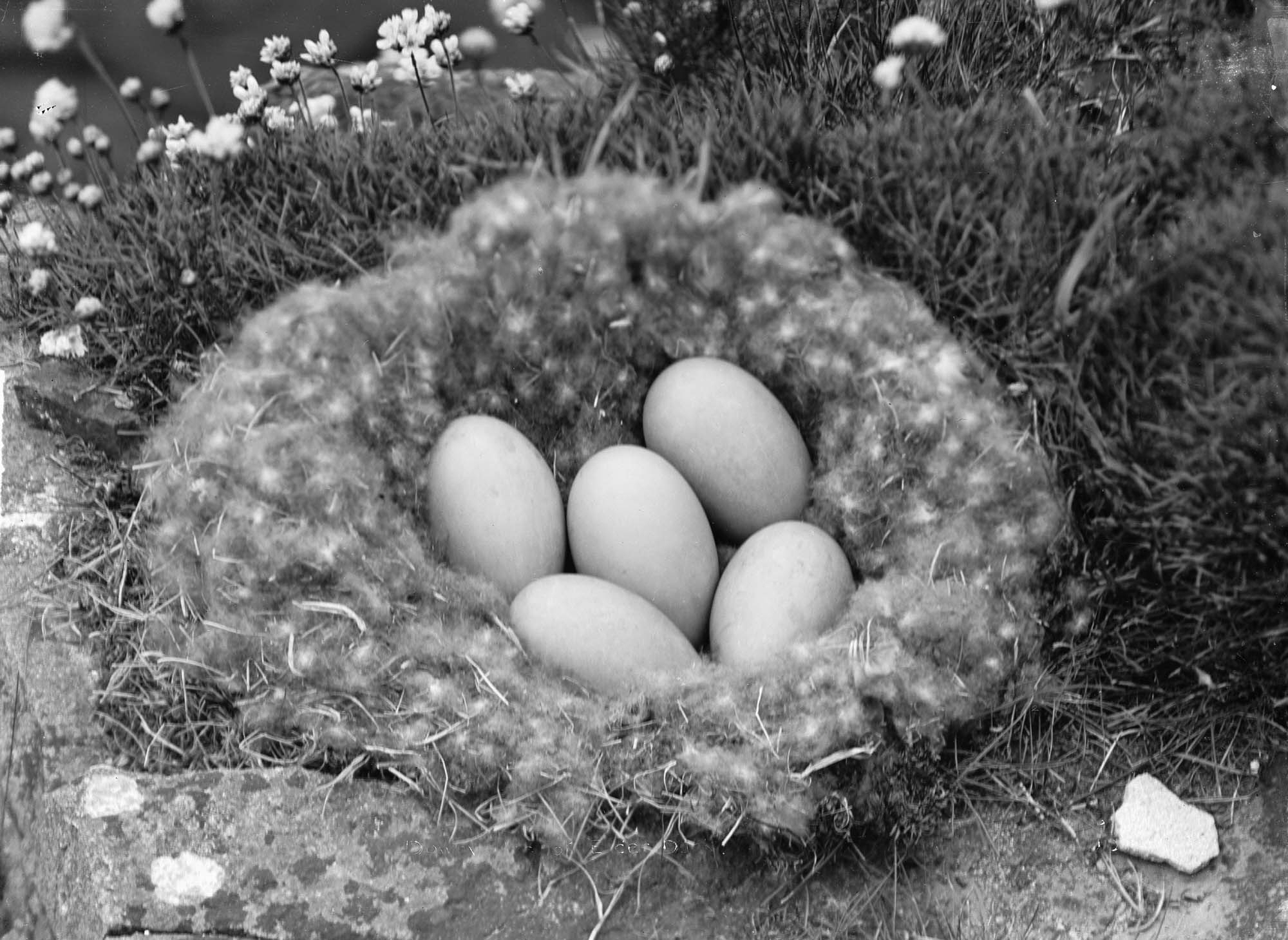
Above: Eider duck nest with eggs (RB00254)
Throughout his career, Rattar photographed every aspect of island life, from bustling fishing stations to crofting, textiles, children at play and historic events. His camera also captured candid portraits, dramatic shipwrecks, wartime scenes and wildlife, with Rattar often going to extraordinary lengths to achieve the perfect image.
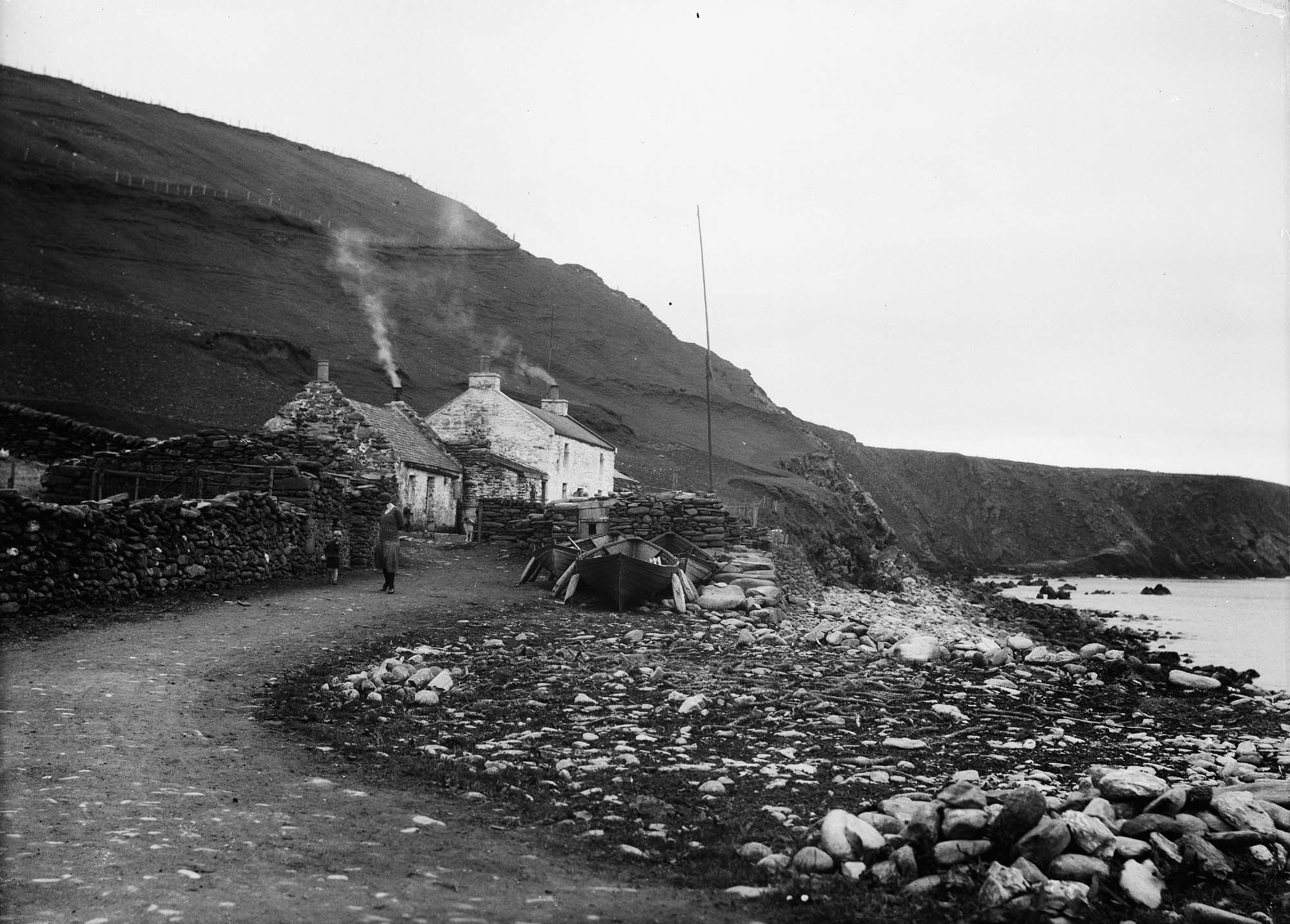
Above: Houses at the Banks, Norwick (R02642)
His passion for photography frequently took him far beyond the beaten track. He climbed to inaccessible cliff edges to photograph birds' nests at Noss, explored the caves of Papa Stour by boat and travelled to Mousa to capture the wreck of the Sunniva, often showing viewers places they would never otherwise have seen.
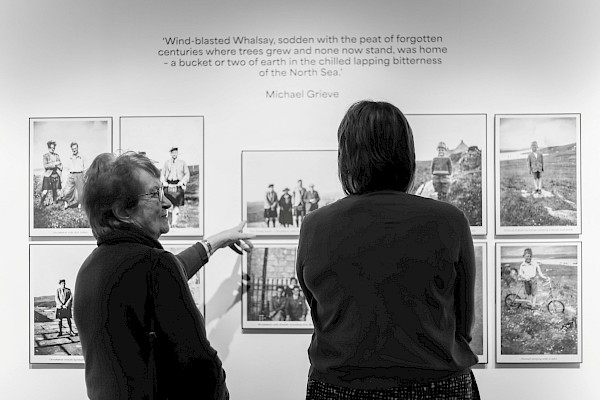
Rather than presenting Rattar's work chronologically, A Time to Keep has been arranged thematically, exploring land, sea, work, play, textiles and historic events. The approach allows visitors to discover unexpected connections across his career while revealing the diversity of his photography.
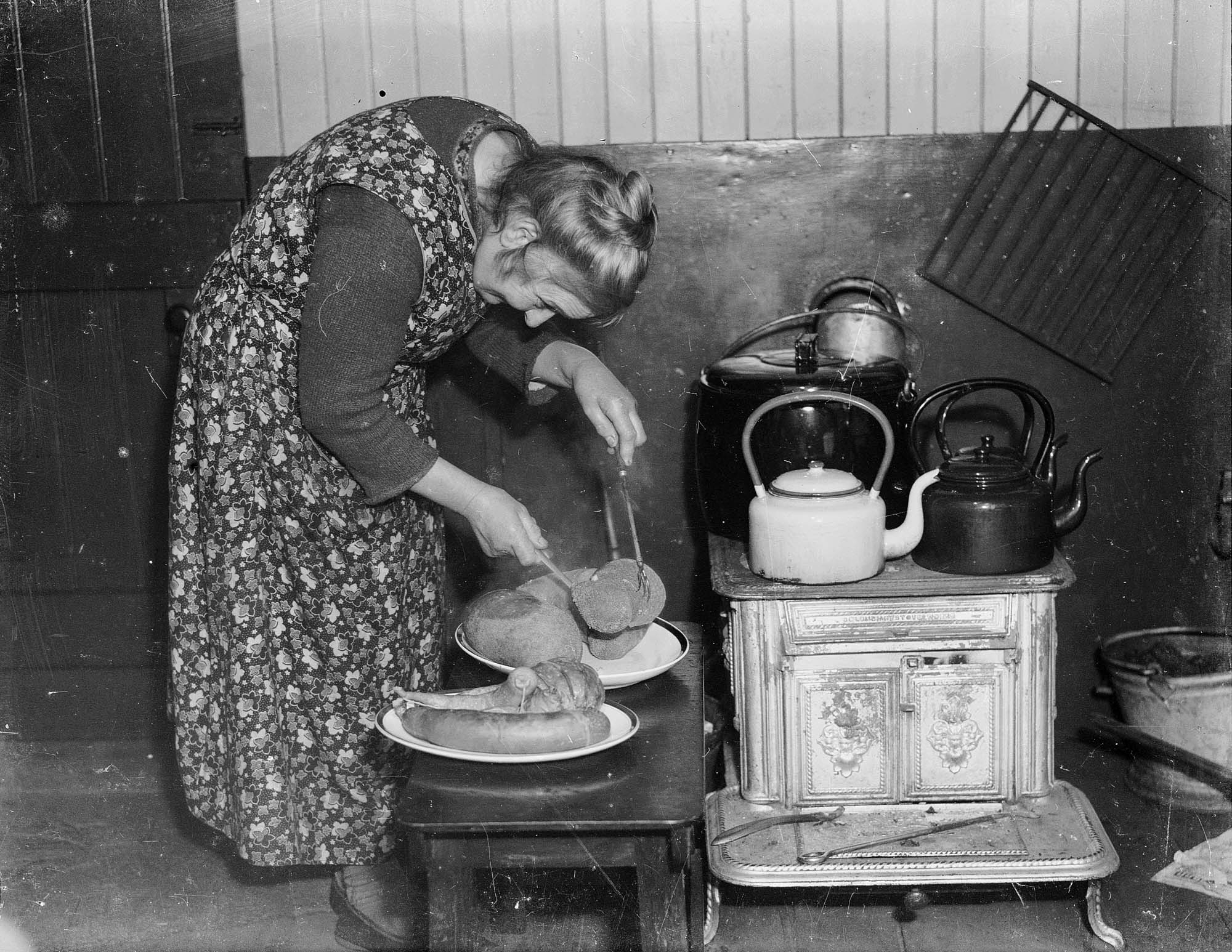
Above: Mrs Jessie Rattar boiling sheeps puddins on a No 7 stove (R01187)
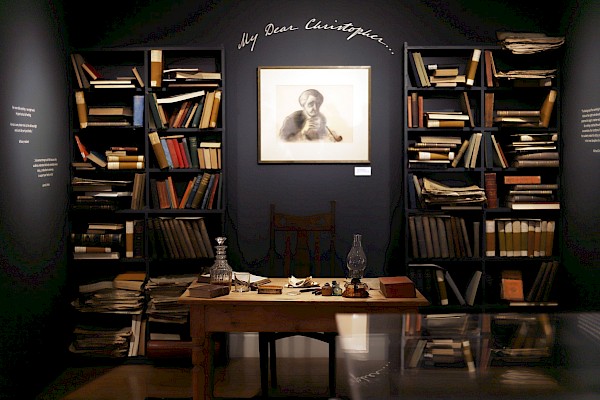
The exhibition itself has been designed to take visitors beyond photographs on a wall. The Gadderie space has been transformed with dark grey walls providing a striking backdrop for Rattar’s black and white images, while a reconstructed bird hide, celebrates his passion for wildlife photography. Complete with sounds of Shetland’s birdlife, the space invites visitors to pause and experience this aspect of his work in a different way.
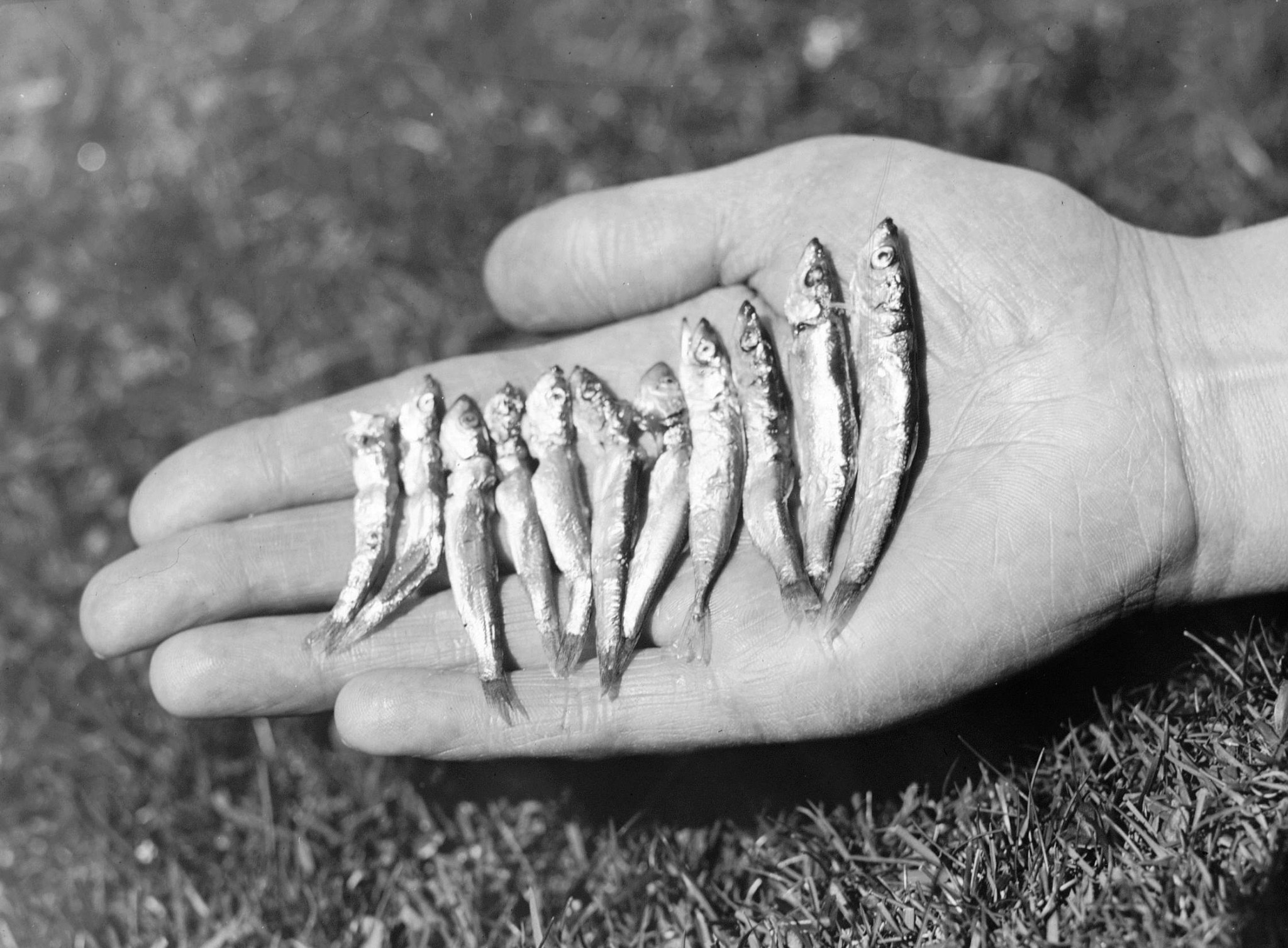
Above: Puffins Catch (00218R)
Shetland museum’s senior curator of collections, Carol Christiansen said the exhibition encourages visitors to look beyond Rattar's most familiar photographs: "People will recognise some of his most iconic images, including Johnnie Jamieson and the young lass carrying the milk pail in Law Lane, but we've also selected portraits that many people won't immediately recognise as Rattar's work. There are photographs where we don't know the identity of the people pictured, which adds a wonderful sense of mystery and invites visitors to imagine their stories.
“Rattar was operating at so many different levels. One day he might be photographing a tiny newly hatched bird or a nest of eggs, and the next he would be documenting a bomb crater or a shipwreck. He was an explorer of Shetland in every sense – geographically, culturally and artistically. He noticed something special about these islands and their people and preserved it with extraordinary sensitivity."
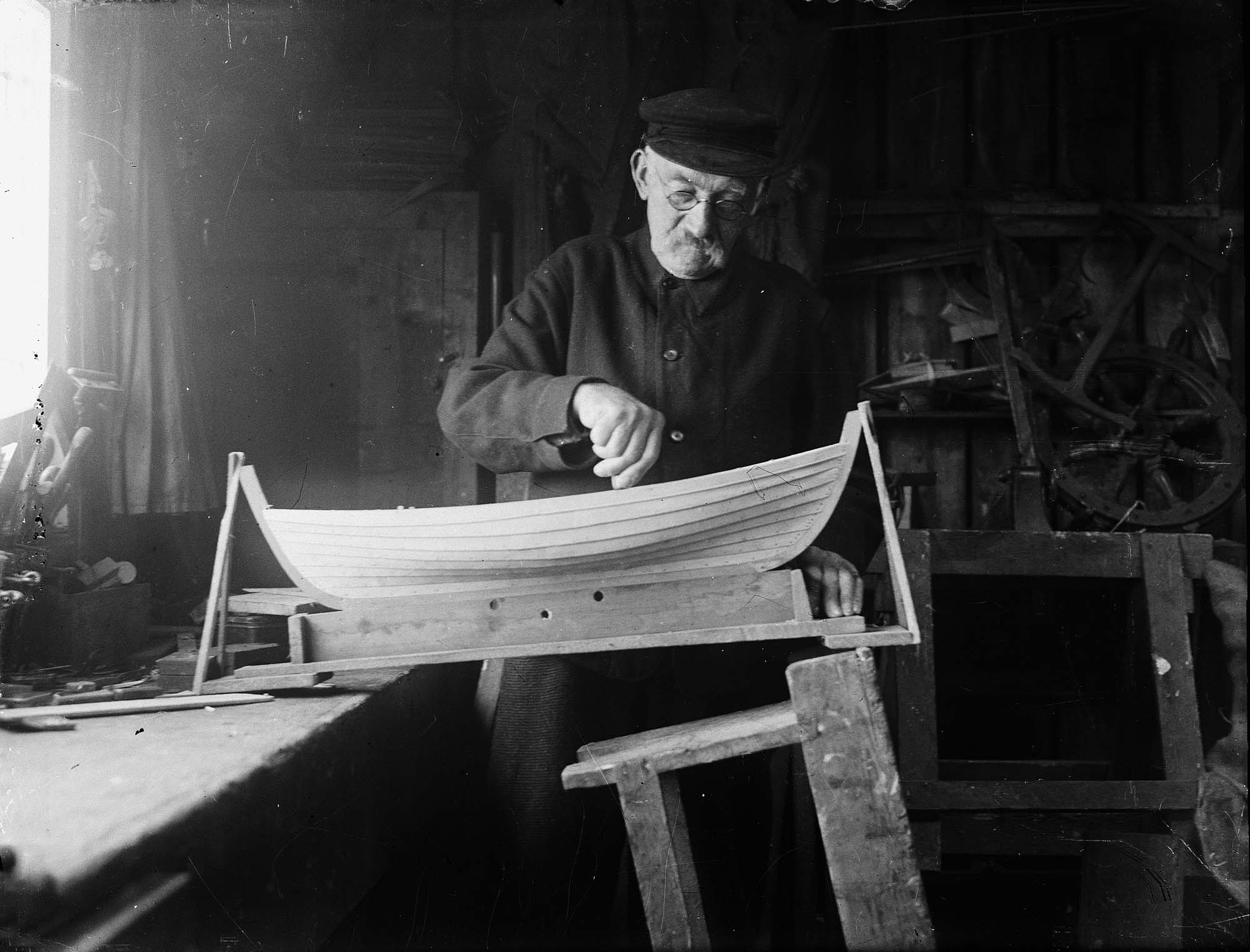
Above: Jack Shewan - Shetland's finest modelmaker at work on a model boat (R00904)
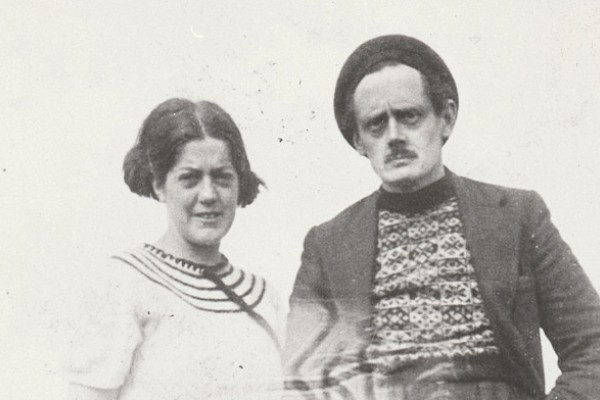
Alongside the photographs, visitors will discover more about Rattar's own life through family photographs, personal items and archive material, offering a glimpse into the quiet, gentle man remembered by those who knew him as patient, honourable and deeply devoted to his craft.
Karen hopes visitors leave with a renewed appreciation for both the photographer and the islands he documented: "I hope people come away thinking this was a man who was working ahead of his time. He wasn't simply taking photographs. He was preserving Shetland's story for future generations."
A Time to Keep: Celebrating 150 Years of J.D. Rattar has been curated by exhibitions officer Karen Clubb and senior curator of collections Carol Christiansen and opens at Shetland Museum and Archives on Saturday 18 July.
The exhibition runs until 11 October 2026.
You can search our Shetland Museum Photo Archive for more Rattar images